

Embarking on the journey to get a tattoo can be an exciting yet daunting experience. Whether you’re a first-timer or a seasoned tattoo enthusiast, the decision to permanently adorn your skin with artwork is not one to be taken lightly. As you delve in, you are bound to have tattoo questions.
In this blog, we’ll dive into some of the most common tattoo questions, aiming to demystify the process and provide clarity for those contemplating their next (or first!) tattoo. So, whether you’re worried about the pain and cost of a tattoo or seeking advice on how to care for your skin post-appointment, we’ve got you covered.
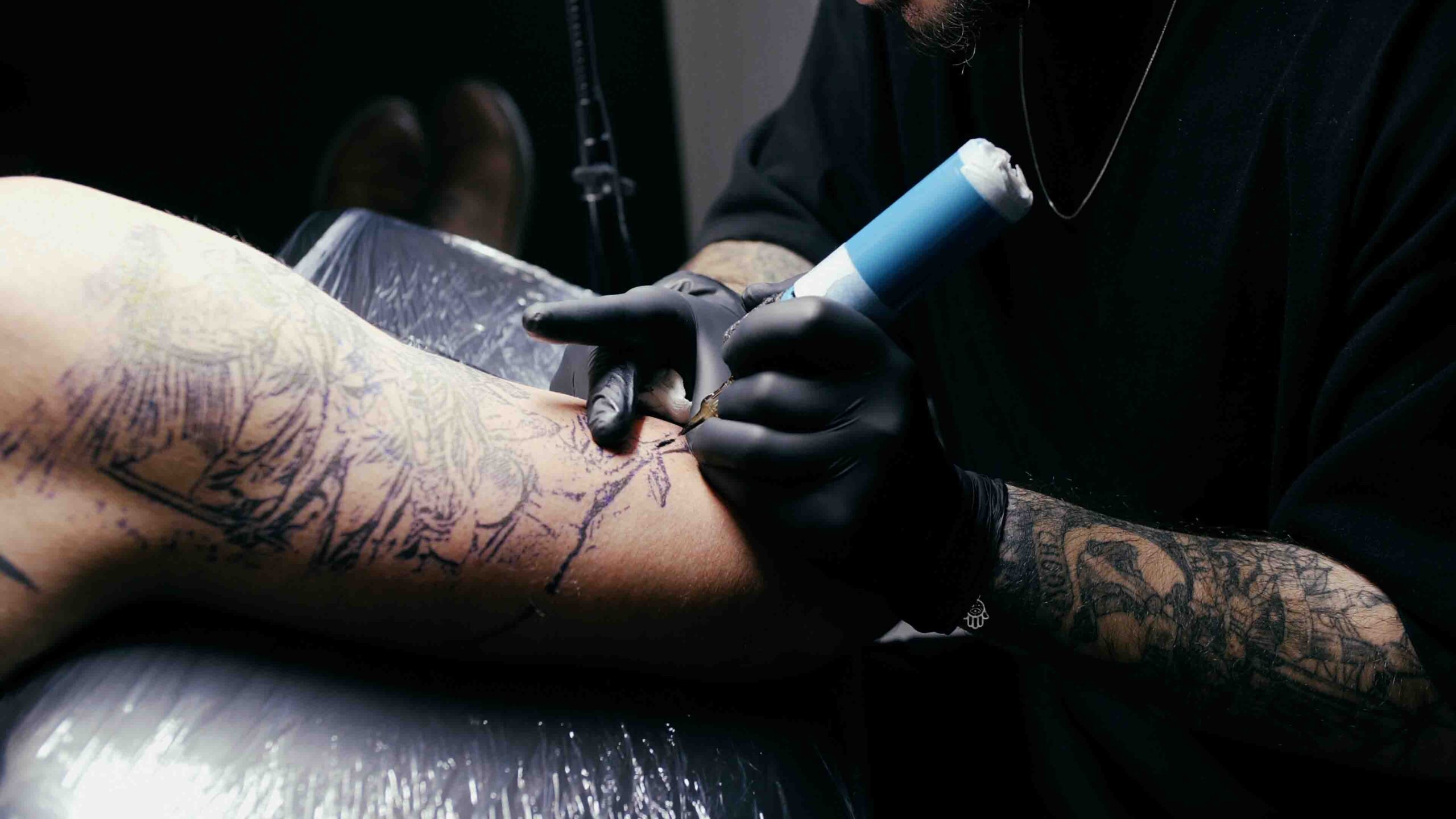
Yes! When a tattoo is done by a professional artist within a clean and sterile environment, it is incredibly safe. When researching studios and artists, you should choose one that follows proper hygiene and safety protocols. This includes using sterile equipment, practising proper hand hygiene, and maintaining a clean workspace. You should always follow your artist’s advice on aftercare to minimise the risk of infection and ensure proper healing. If you visit a reputable studio and follow aftercare instructions, there should be no cause for concern when getting a tattoo.
In the UK you have to be 18 years old to get a tattoo and must be able to produce a valid form of photographic ID to prove this. It is against the law to get a tattoo under the age of 18, even with parental consent.
While it’s true that all tattoos involve some level of discomfort, the degree varies depending on the area being tattooed and the individual’s pain tolerance. Despite this, the majority of people find the process manageable. After all, if it were unbearable, tattoos definitely wouldn’t be as popular as they are today. To ease the pain and anxiety associated with getting a tattoo, it’s crucial to remain calm and relaxed. Focus on slow, steady breathing and accept that there will be some discomfort. There are things you can do before your appointment to help make your appointment more bearable. These include eating beforehand, ensuring a good night’s sleep the night before, and that you are generally in good health. On the day of your appointment, wearing loose, comfortable clothing can also help to make you feel more relaxed.
While a great question, it is difficult to answer without knowing some key information. These include design complexity, size and placement, and which artist you choose. It is important to know that some artists charge by the piece and some charge per hour, so ensure you get clarification of this when discussing quotes. At No Regrets Studios, pricing is different for each artist, so if you would like information on how much a particular artist charges, we recommend completing our consultation form and one of our tattoo consultants will get back to you with a quote.

Yes. To secure your appointment, we require you to pay a non-refundable chair rental fee which is deducted from the final tattoo amount. This helps to protect the artist’s time and resources and also secures your date in the artist’s calendar. Paying a non-refundable chair rental fee is standard practice across the tattoo industry. If you cancel or rearrange your appointment, you may be asked to pay another chair rental fee.
It is common practice for tattoo artists to wait until the day of your appointment to show you your design. There are a few reasons for this.
Shaving the area of the skin before getting a tattoo helps to provide a clean and smooth canvas for the tattoo artist. However, you should not do this yourself unless your artist requests you to do so. Your artist will shave the area themselves before they start your tattoo. This ensures that the area is fresh and there are no stubble or irritated areas.
Your artist will advise you on the best way to look after your new tattoo, so you must follow their guidance. In addition, you can also read a list of do’s and don’ts that we’ve put together here. The important things you need to remember are:
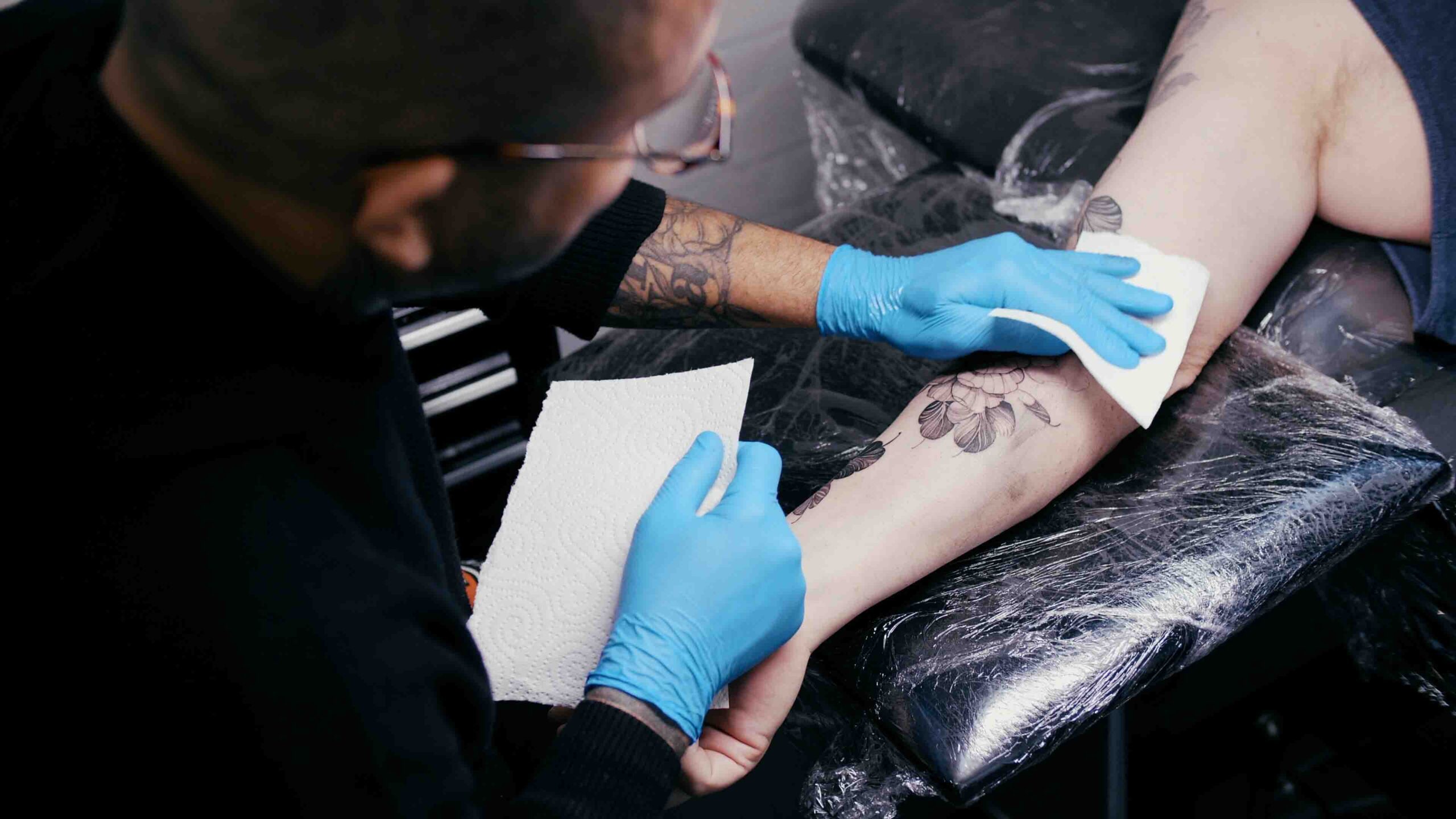
The timescale for the healing of tattoos depends on factors such as size, location, and complexity, however, most tattoos take anywhere between 7 to 14 days to heal. After the first few days, the initial discomfort and redness start to ease. Around this time, you may experience some itching and scabbing. This is completely normal, and you should avoid picking or scratching your tattoo as this can lead to colour loss and uneven healing. After the initial healing phase, the skin may continue to peel, which can last around a week while the skin repairs itself and the tattoo settles into the skin.
All tattoo artists will advise you to avoid prolonged water exposure for the first 14 days. This means avoiding swimming or extended baths; however, it is ok to have showers. As mentioned above, your tattoo artist will provide you with specific aftercare instructions tailored to your tattoo, which you should follow.
If you follow your artist’s aftercare instructions, your tattoo should stay healthy and vibrant. However, there are a few factors that can cause your tattoo to fade over time. These are:
Looking after your skin and protecting your tattoos from excessive sun exposure will help to keep your tattoos looking as vibrant as the day you got them.
Yes, you can. In the UK, the NHS advises that you must wait four months after the date of your tattoo before giving blood.
It is not a good idea to get a tattoo while sick. Your immune system will already be compromised, which will mean you are more likely to have an unpleasant tattooing experience. In addition to this, you could pass your illness on to your artist or anyone else in the studio. If you become ill, we recommend contacting the studio or your artist to rearrange your appointment as soon as possible
While it is fine to get a tattoo at any time of the year, we recommend winter as the best time. This is because it is easier to get an appointment, and your tattoos have a better chance of healing. We wrote an article on why winter is the best time to get a tattoo, check it out here. Summer can make it more difficult to get tattooed due to artists having busier tattoo schedules and the weather generally being a lot hotter, which can make it unpleasant to get tattooed in. If you do get a tattoo in the summer, read our aftercare tips on how to take extra precautions when looking after your tattoo.
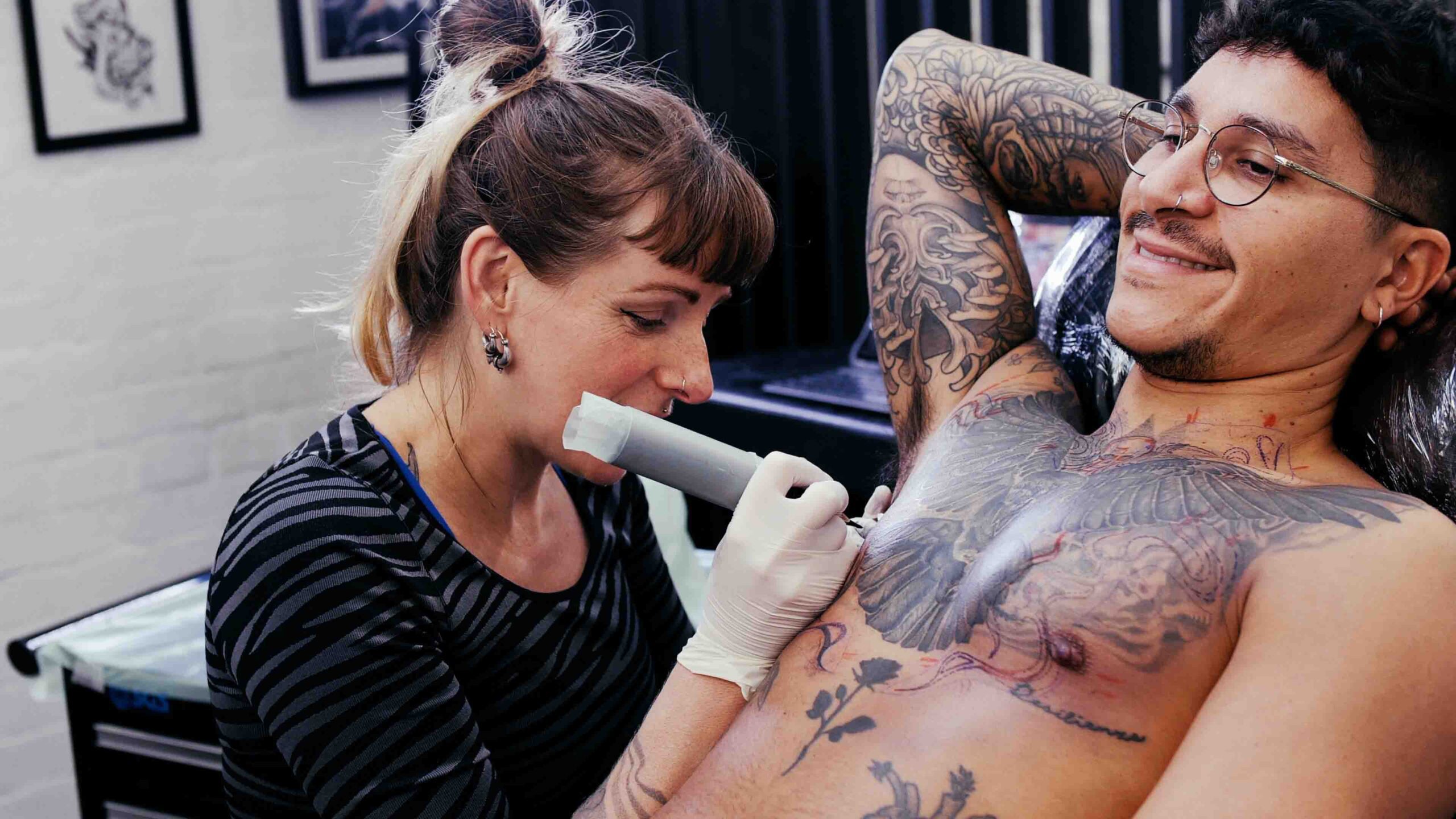
If you are unhappy with an existing tattoo, many of the artists at No Regrets offer cover-ups. However, not all tattoos are coverable, so it is important to always book a consultation with an artist. This gives them a chance to see the tattoo in person and work out a design that will cover your existing tattoo well. If your tattoo is too dark to cover up, they may recommend laser tattoo removal to help lighten your tattoo so it is easier to cover. At No Regrets Studios Bristol, Reset Room offers laser tattoo removal using Picosure Lasers.
We hope these answer some of your tattoo questions, alternatively, if your question remains unanswered, check out our tattoo FAQs. If you’re ready to book your tattoo appointment, we would love to hear from you. Get in touch to speak with one of our friendly tattoo consultants.
