

Tattoos have always been a captivating form of self-expression, allowing individuals to wear their stories, passions, and memories on their skin. However, as time passes and circumstances change, some tattoos may lose their significance or become a source of regret. Luckily, the ever-advancing world of dermatology has brought forth a groundbreaking solution: laser tattoo removal. Deciding if laser tattoo removal is for you can be scary and daunting. In this blog, we’ve partnered with Wayne from Reset Room for an overview of bidding farewell to unwanted ink. Wayne currently offers laser tattoo removal at No Regrets Bristol.
Using lasers to remove tattoos has become popular due to technological advancements and improved aftercare. This allows for complete removal or partial reductions, granting tattoo artists more artistic freedom for client goals.
During your appointment, you will be provided with protective eyewear to shield your eyes from the laser. A technician will use a handheld device that emits short pulses of high-energy laser light. The laser selectively targets the tattoo ink pigments while minimising damage to the surrounding skin. The wavelength of the laser is chosen based on the colours present in the tattoo. Different wavelengths are effective for different colours. When the laser light is applied to the tattoo, the ink pigments absorb the laser energy. The high-intensity light causes the ink particles to heat up and shatter into tiny fragments.
The process of lasers breaking ink particles into manageable bits for your immune system to disperse is the end goal. Lasers only do a certain amount of the work, it is your immune system that does the majority. A laser targets the colour of the ink pigment and reduces it into smaller pieces. Your immune system will recognise it as a foreign substance and proceed to remove it from your body over time. Better lasers have better impacts on the ink with less damage to the skin.
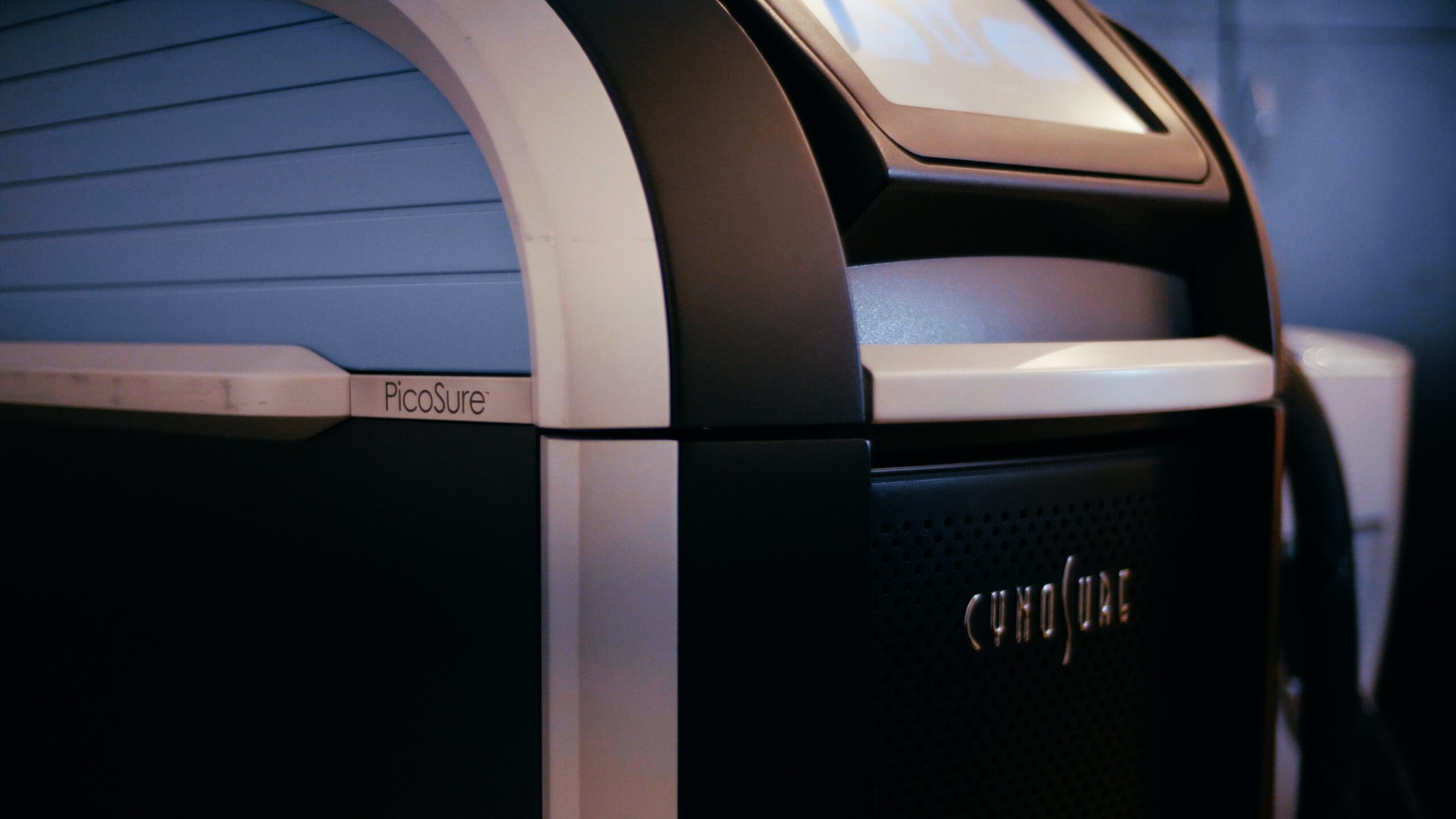
Our Picosure laser minimises skin impact, reducing the number of treatments compared to cheaper lasers on the market. Fewer treatments result in better skin in the end. The Picosure laser also gives an option of targeting difficult colours such as greens and blues whilst also being able to effectively remove standard colours such as blacks and reds.
Immediately after the laser has interacted with the skin there is a reaction called frosting or blanching, which turns the skin white. This will fade relatively quickly leaving the skin inflamed and feeling like a sunburn. Although we cool the area during treatment with a cryo machine to help ease discomfort, it is advisable, post-treatment, to apply a cool compress to soothe the area and alleviate any inflammation. Never put anything frozen or ice cubes directly on the skin, this is to avoid freezer burn and while you want to keep the area cool, you also want to keep it dry. Always use a thin layer of material to separate the skin from the cold compress.
At Reset Room, we use popular aftercare products, such as aloe vera gel, that are light and allow the skin to breathe. The idea is to use products that don’t trap heat in the skin or reduce blood flow. It is important not to use scented products because these can react badly with healing skin. We also have an exclusive aftercare product available which is highly reviewed by our clients and can be bought directly from us during or after your appointment.
Maintaining the skin’s integrity is key to good aftercare protocol. If there is no broken skin from bleeding or blistering, it means you will be back to normal in a few days. If you do have a negative healing experience, such as blistering, it will take slightly longer to heal, just like it would with a fresh tattoo. We advise a proactive approach to healing as opposed to a reactionary to get the best results. Sometimes a bad reaction is unavoidable but we are on hand to offer advice where needed. Reactions vary from client to client and ones such as blistering are generally very common and will require extra care to speed up the healing.
Being proactive between sessions can be highly beneficial too. Using a good skin oil that is massaged into the area daily can prepare the skin for better results at future treatments and can help maximise ink dispersal. This will all help with your overall end goal. Small percentage gains from all corners result in better skin and fewer treatments overall.
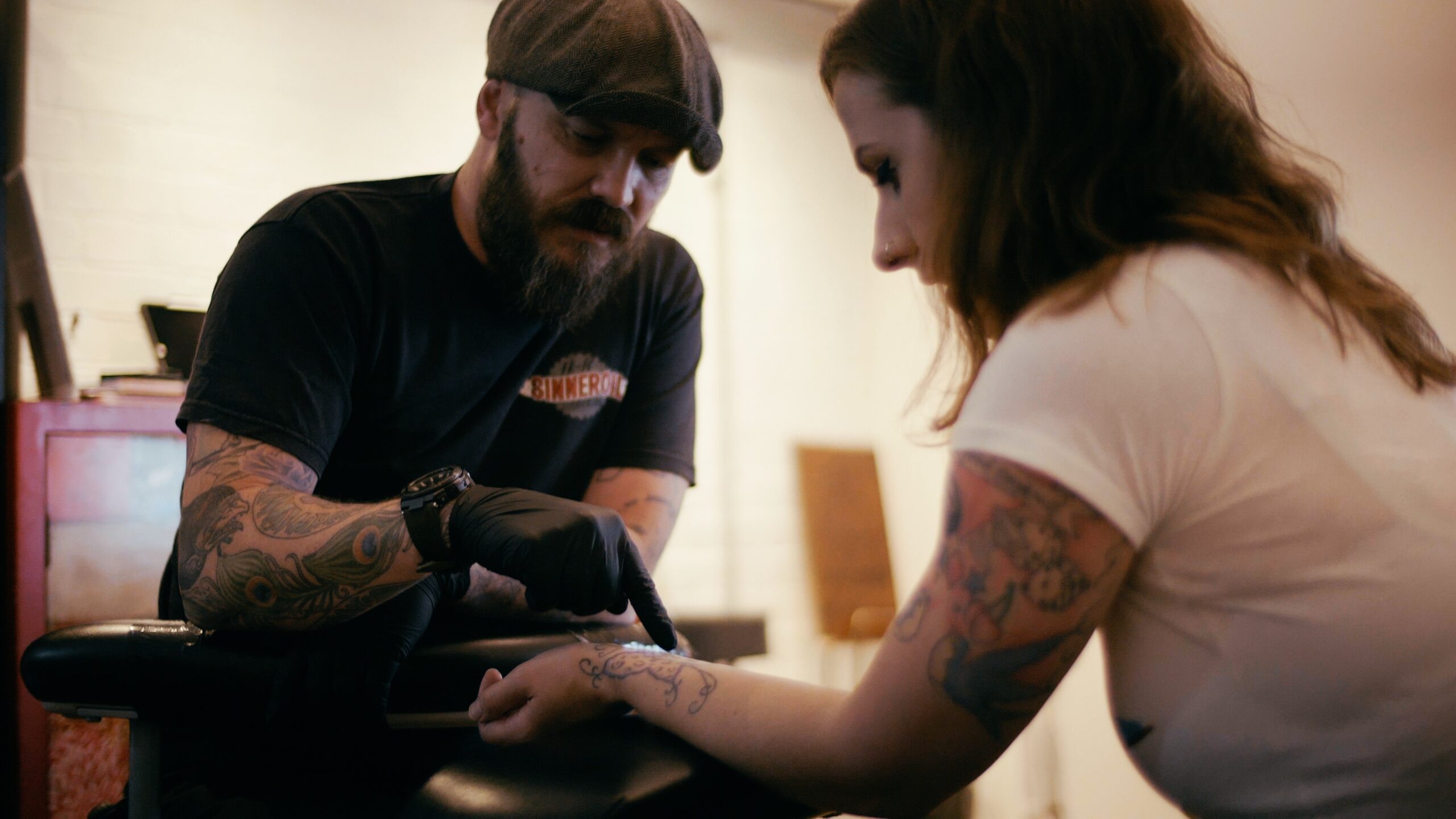
How many sessions is always one of the first questions we get asked. There is no standard measurement for gauging how many treatments it will take, because, as mentioned before, each tattoo is unique. Not only do we consider the density of the ink, the colour, and the age of a tattoo but also the location on the body is key. Any tattoos on lower extremities such as hands or feet will usually fade slower than a tattoo located on the torso or close to your heart, this is because blood flow takes longer to reach these areas.
Black ink is usually the easiest to remove and colours are more difficult but not impossible. Each tattoo and client is different, and we always offer a consultation first to give the client the opportunity to understand how the process works and the option to decide before committing.
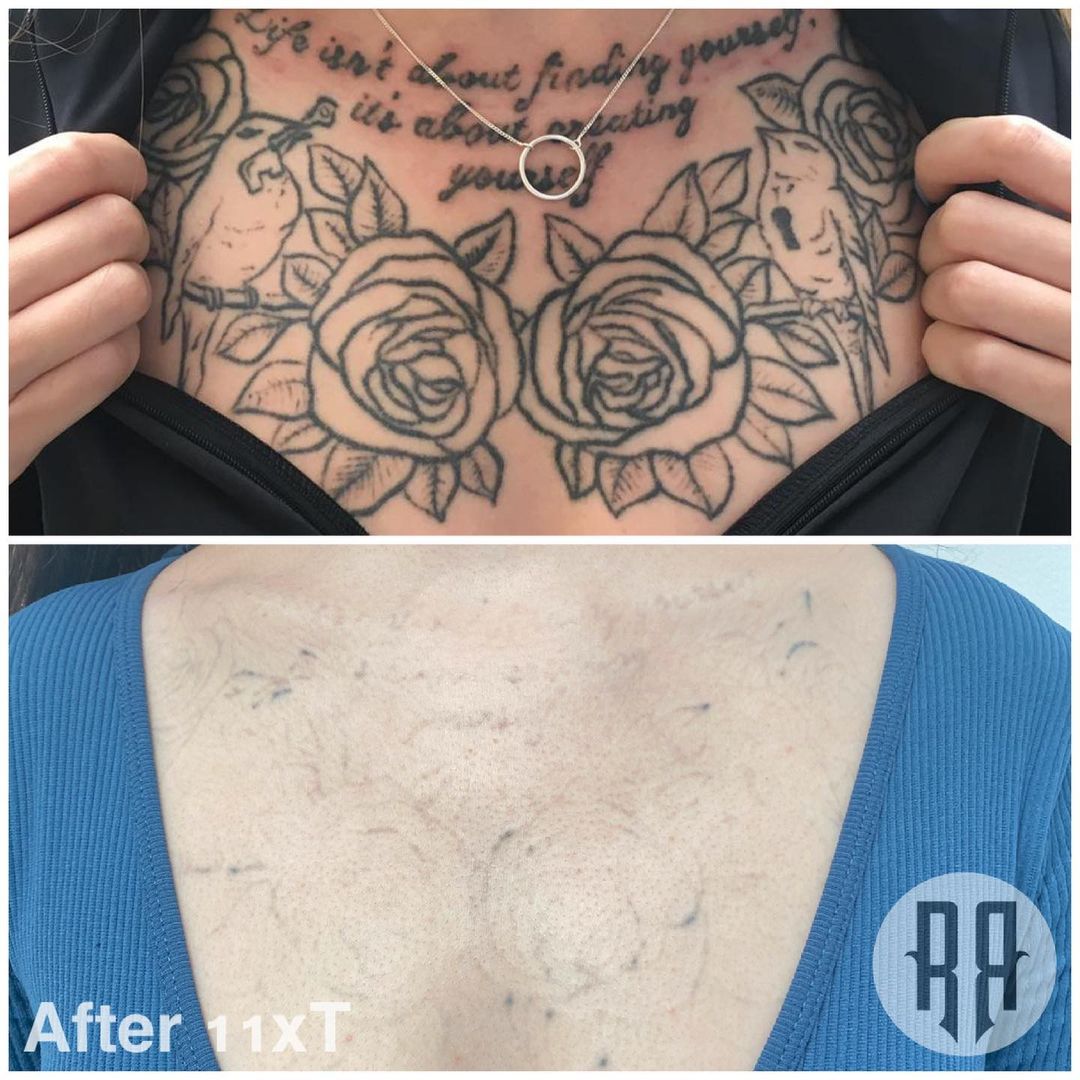
Sometimes results are immediate but the majority of people do not see any results for two or three treatments, and to the naked eye on the surface of the skin, it may not look like a lot is happening but underneath, the immune system is working hard to remove the broken down ink.. Your immune system knows the ink has no nutritional value for your body and will try to protect you as well as safely break down the ink particles. We need to enhance this process and try not to work against it by supporting our immune system with good nutrition and hydration to keep the lymphatic system flowing. Focus on good nutrient absorption with key vitamins such as vitamin C and vitamin D. Your best skin always comes from within.
Increasing circulation from exercise can also be very beneficial but we advise against training for a minimum of 48 hours following a treatment to allow your immune system to focus on one thing at a time. If you scratch the treated area and get an infection from a dirty mat inside the gym, the infection will slow down the healing process. If you focus on your initial healing and recover well with no reactions, you will be back to normal quickly. Otherwise it could delay everything.
Similar advice goes for drinking alcohol. We advise against drinking alcohol for a short while after treatment as this can also lead to a negative reaction.
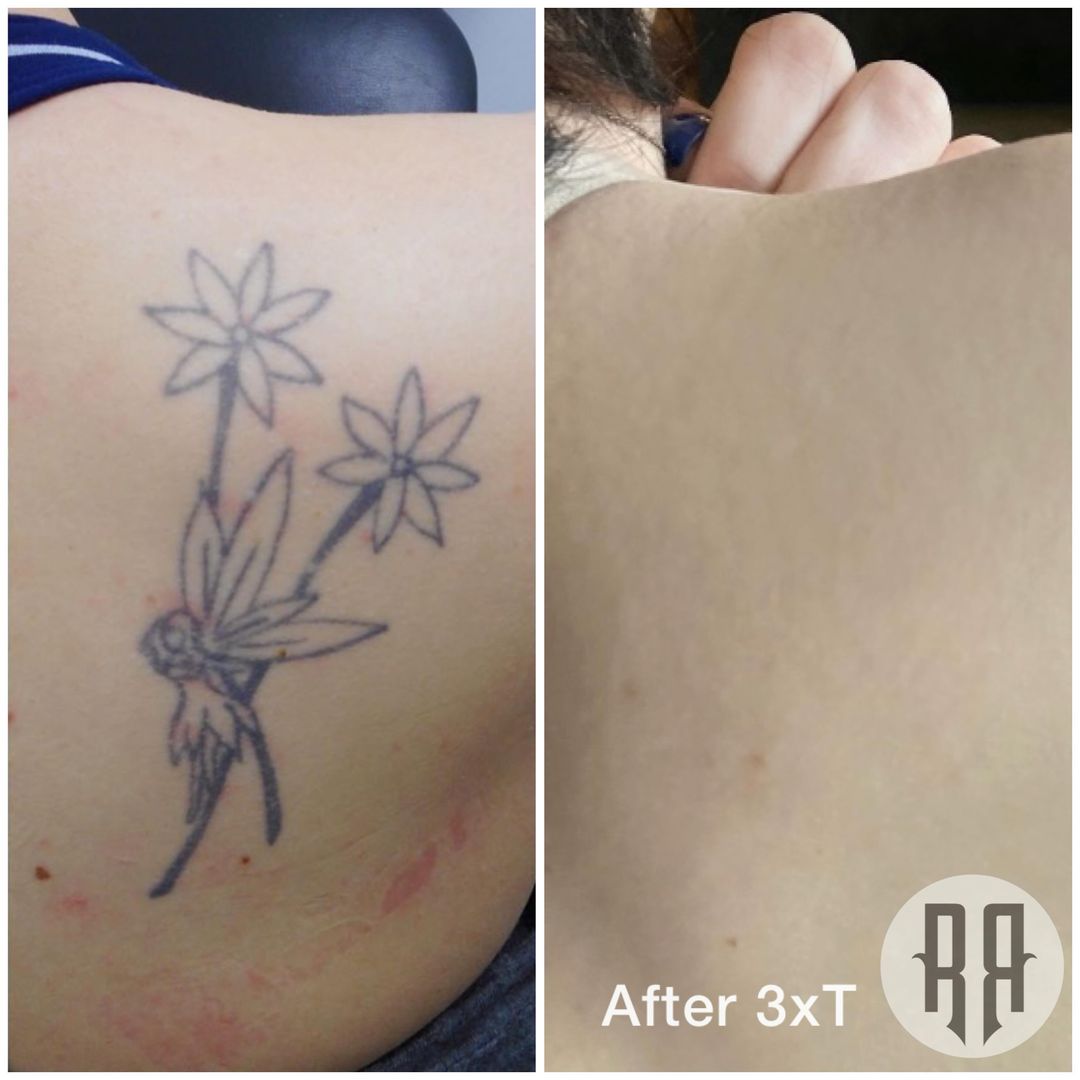
Gaps between treatments are approximately 6 weeks but we advise a minimum of 8-10 weeks or longer. Allowing for longer gaps between treatments helps maximise ink metabolisation and skin regeneration. Having treatments too often or too soon after the laser treatment can stress the skin and cause all the things you’re trying to avoid to happen. Longer gaps between treatments will result in fewer treatments overall. It is not a quick fix unfortunately and understanding this will help with your practical view of the end results.
Summer is a difficult time to get lasered as you can’t laser tanned skin and any lasered areas need to avoid sun exposure for at least 4-6 weeks. Enjoy your summer though, it is an important time to consider as the more sun you get, the more vitamin D you generate and the stronger your immune system will be. We recommend keeping lasered skin areas out of the sun for a minimum of 4 weeks as the skin is still recovering and will not be able to protect itself. If we laser suntanned skin, the laser will target the melanin and not effectively interact with the ink and could cause long-term pigmentation issues such as hypo or hyperpigmentation (loss of pigment or overgeneration of pigment) which in some cases can be permanent.
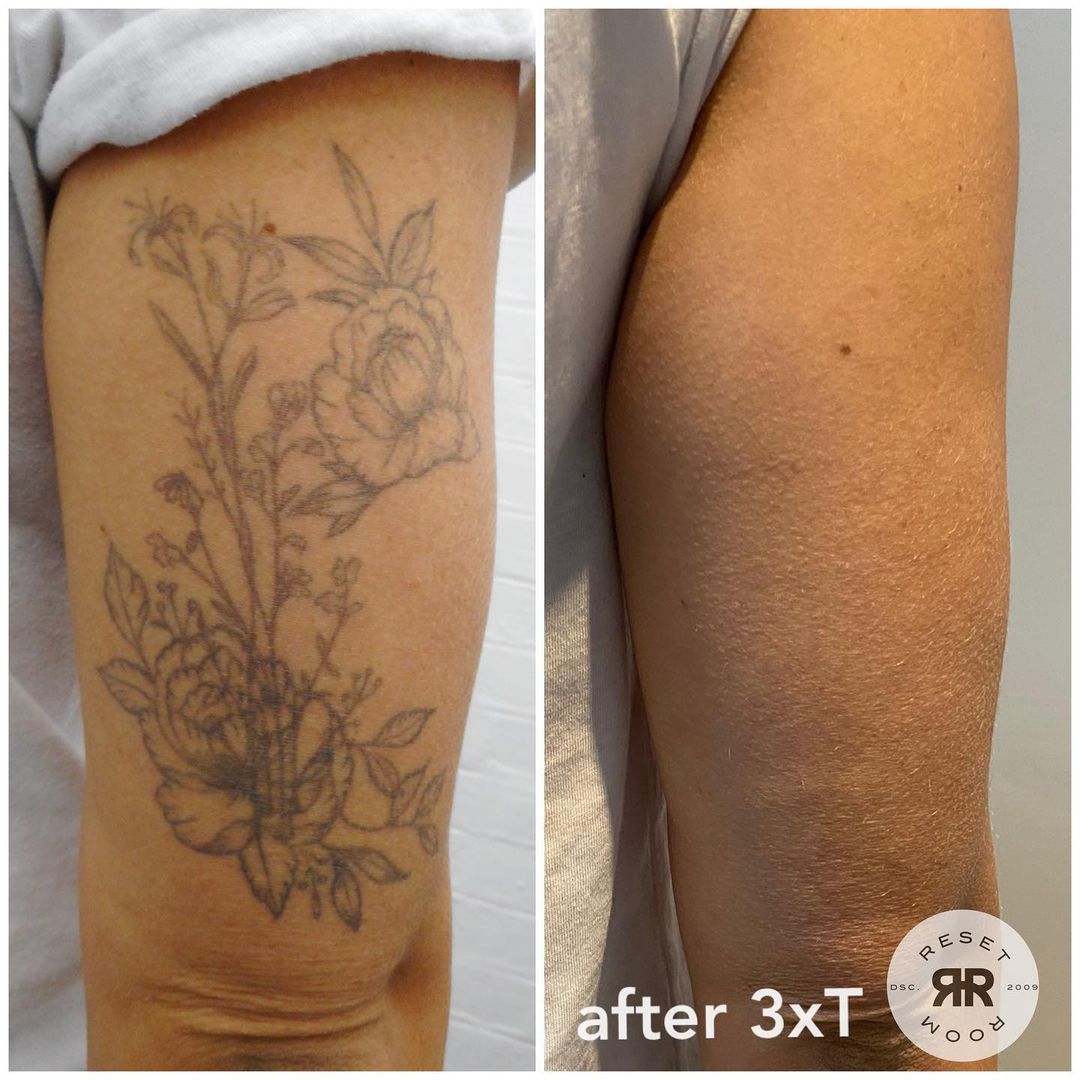
Scars are always a major consideration for clients as they can sometimes result from certain laser operators. The best way to avoid scars is to choose a technician/studio that has high-quality equipment and more importantly, has experience in using laser equipment. This should be assessed at your consultation and before any treatments commence. Anyone who doesn’t have the answers you seek should be a red flag. This can often be negated by seeing any before and after photos of their work.
In a nutshell, tattoo removal can appear scary but if you are pragmatic, patient, and follow good protocol with a good laser operator, you will get the results you seek. Don’t rush it, your skin is a clever organ but also a lazy one. Look after it and it will look after you.
If you are considering laser removal and would like to book a consultation, please contact Wayne directly, or pop into our Bristol studio to speak to him directly.
