

In the intricate world of body art, few styles command as much reverence and fascination as oriental tattoos. Rooted in centuries-old traditions, these tattoos offer more than just aesthetic appeal; they serve as visual narratives, rich in symbolism and cultural significance. From the serene landscapes of Japan to the profound symbolism of Chinese iconography, oriental tattoos carry tales of tradition, spirituality, and artistic mastery.
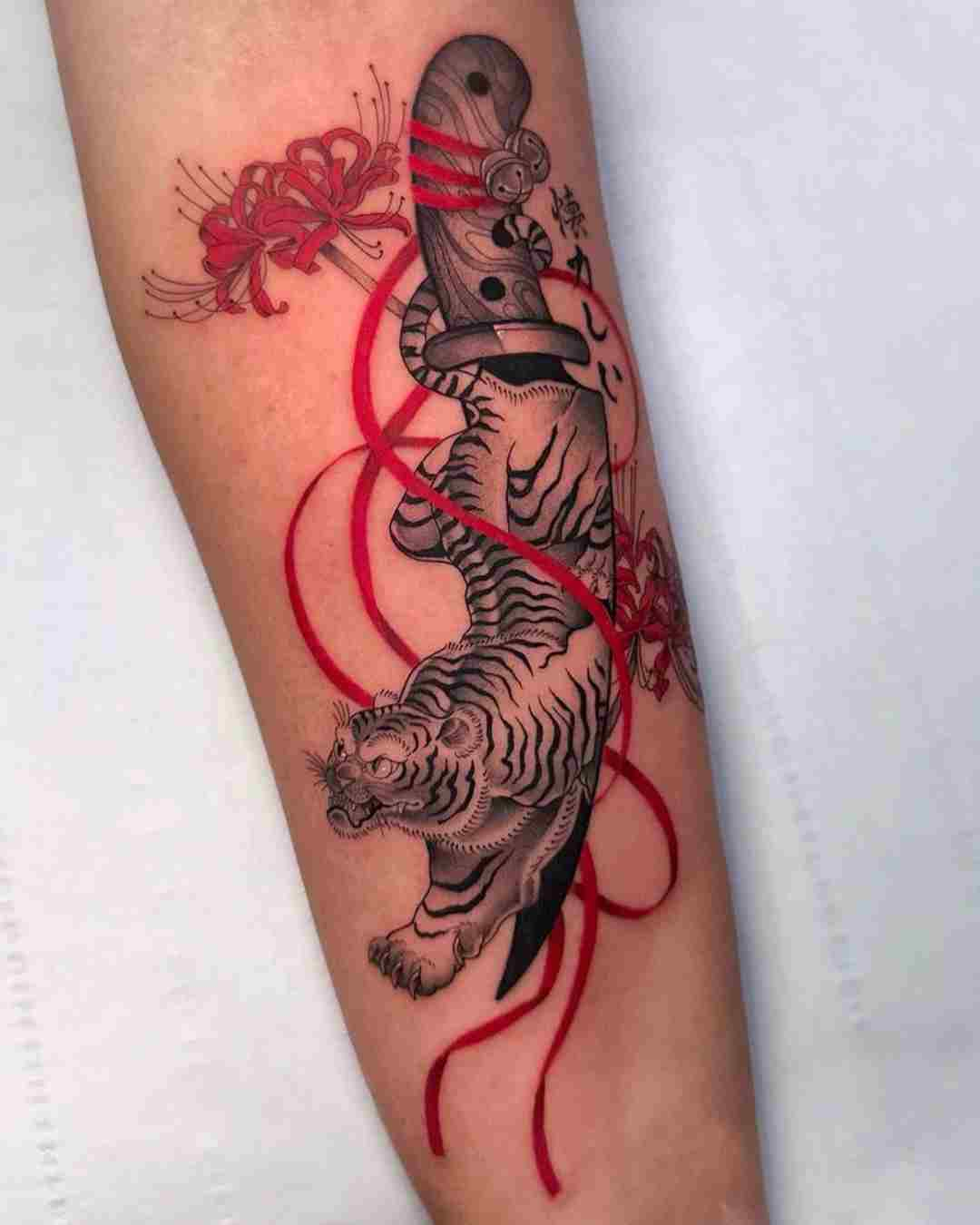
Oriental tattoos encompass a vast array of styles and motifs, drawing inspiration from the profound cultural heritage of East Asia. Within this expansive realm, both Japanese and Chinese tattoos stand out for their distinct aesthetics and symbolism.
These tattoos are renowned for their intricate detail and artistic complexity. They may encompass various tattooing techniques, including traditional hand-poking methods or modern machine tattooing, depending on the style and preferences of the artist and the client.
While the term “oriental” has been used historically to describe cultures and traditions from East Asia, it’s essential to approach it with sensitivity and respect, acknowledging the diverse and nuanced identities within the region. As with any tattoo, getting an oriental tattoo should involve thoughtful consideration of its cultural implications and personal significance.
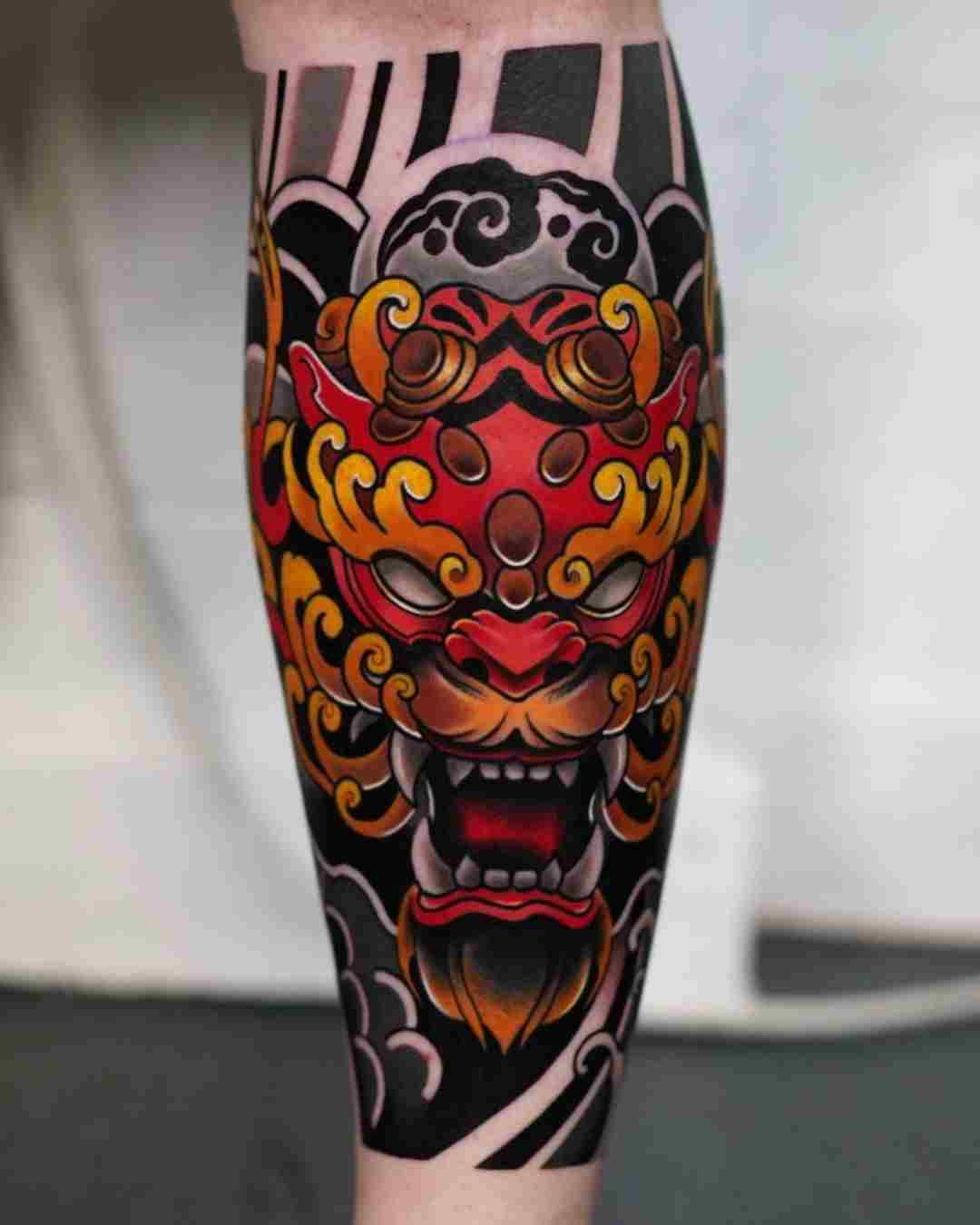
Japanese tattoos, also known as Irezumi or Horimono, boast a rich history dating back to the Edo period (1603-1868). These tattoos evolved from traditional woodblock prints and ukiyo-e art, embodying themes of bravery, honour, and spirituality.
One of the most iconic motifs in Japanese tattoo art is the mighty dragon, symbolising strength, wisdom, and protection. The majestic phoenix, representing rebirth and resilience, is another popular choice among tattoo enthusiasts. Cherry blossoms, or sakura, are celebrated for their ephemeral beauty and serve as a poignant reminder of the transience of life.
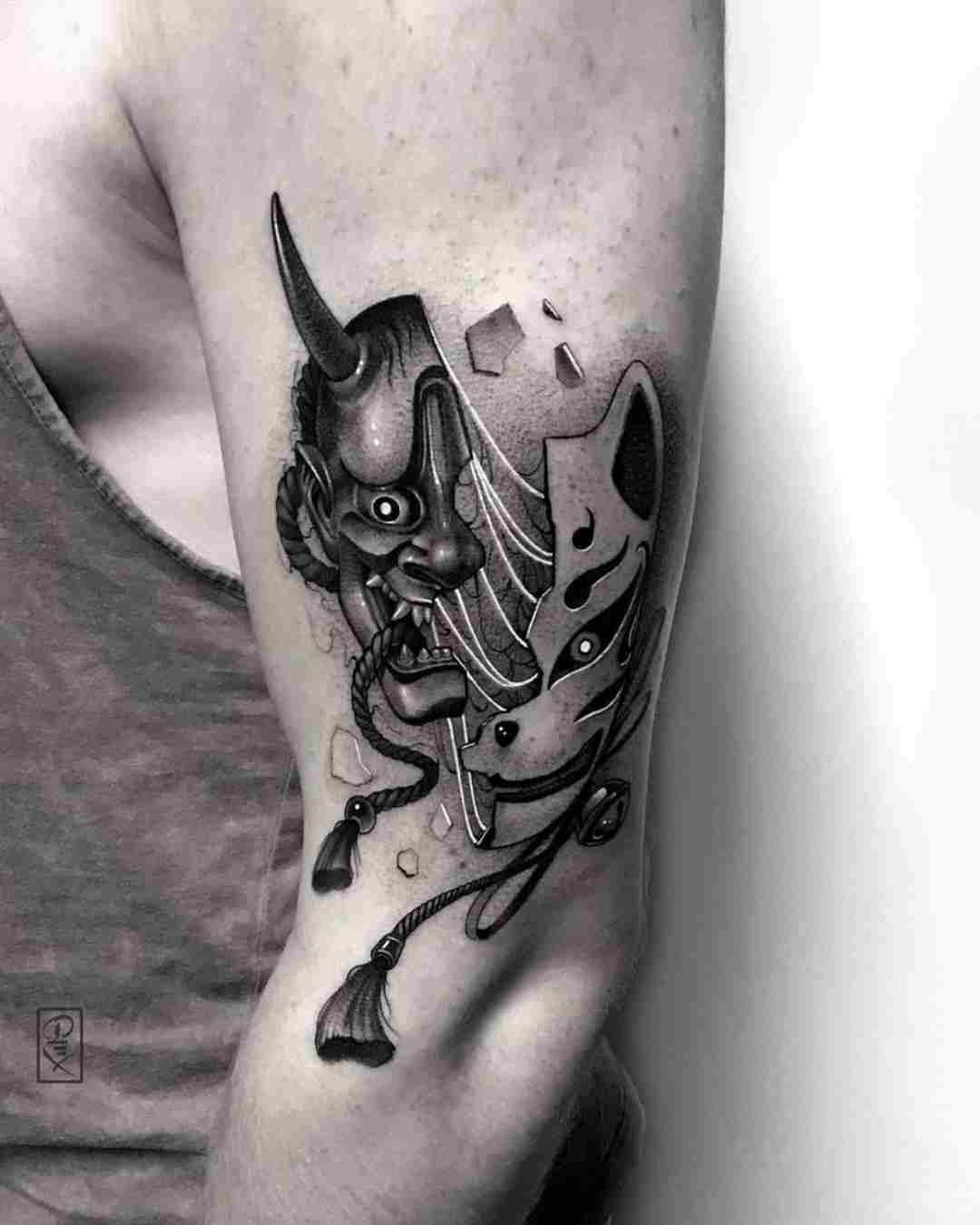
Samurai warriors, geishas, and mythical creatures like the kitsune (fox) and tengu (long-nosed goblin) populate the canvas of Japanese tattoos, each carrying layers of cultural and historical significance. These tattoos often form elaborate, full-body compositions, meticulously crafted by skilled artists using traditional hand-poking techniques or modern tattoo machines.
In China, tattooing has a complex history, with periods of acceptance and prohibition. Despite this, Chinese tattoo art has flourished, drawing inspiration from ancient mythology, literature, and religious beliefs.
One of the most enduring symbols in Chinese tattoo culture is the majestic dragon, revered for its auspicious powers and association with the Emperor. Dragons in Chinese mythology embody strength, fortune, and imperial authority, making them a popular choice for tattoos among those seeking prosperity and protection.
The elegant lotus flower, emerging unblemished from muddy waters, symbolises purity, enlightenment, and spiritual rebirth in Chinese culture. Koi fish, with their vibrant colours and tenacious spirit, represent perseverance, courage, and overcoming adversity.
Calligraphy and script tattoos featuring Chinese characters, known as Hanzi, are also prevalent, often inscribed with meaningful phrases, poetry, or the names of loved ones. However, it’s essential to research thoroughly and consult with knowledgeable sources to ensure accurate translation and cultural sensitivity.

Beyond their aesthetic allure, oriental tattoos are imbued with profound meanings, reflecting the values, beliefs, and aspirations of their wearers.
For many, these tattoos serve as expressions of cultural pride and identity, honouring their heritage and ancestral roots. Others seek oriental tattoos as talismans of protection, courage, and good fortune, believing in their mystical powers to ward off evil and bring blessings upon their lives.
Moreover, oriental tattoos often carry personal significance, commemorating significant life events, spiritual awakenings, or moments of transformation. Whether it’s a samurai warrior symbolising resilience in the face of adversity or a serene landscape evoking a sense of inner peace, each tattoo tells a unique story, etched into the skin as a timeless work of art.
Several popular oriental tattoo designs draw inspiration from the rich cultural heritage of East Asia, particularly Japan and China. Here are some of the most prevalent motifs:
In both Japanese and Chinese cultures, dragons are revered creatures symbolising power, strength, and good fortune. Dragon tattoos often feature intricate designs with vibrant colours, swirling clouds, and fierce expressions.
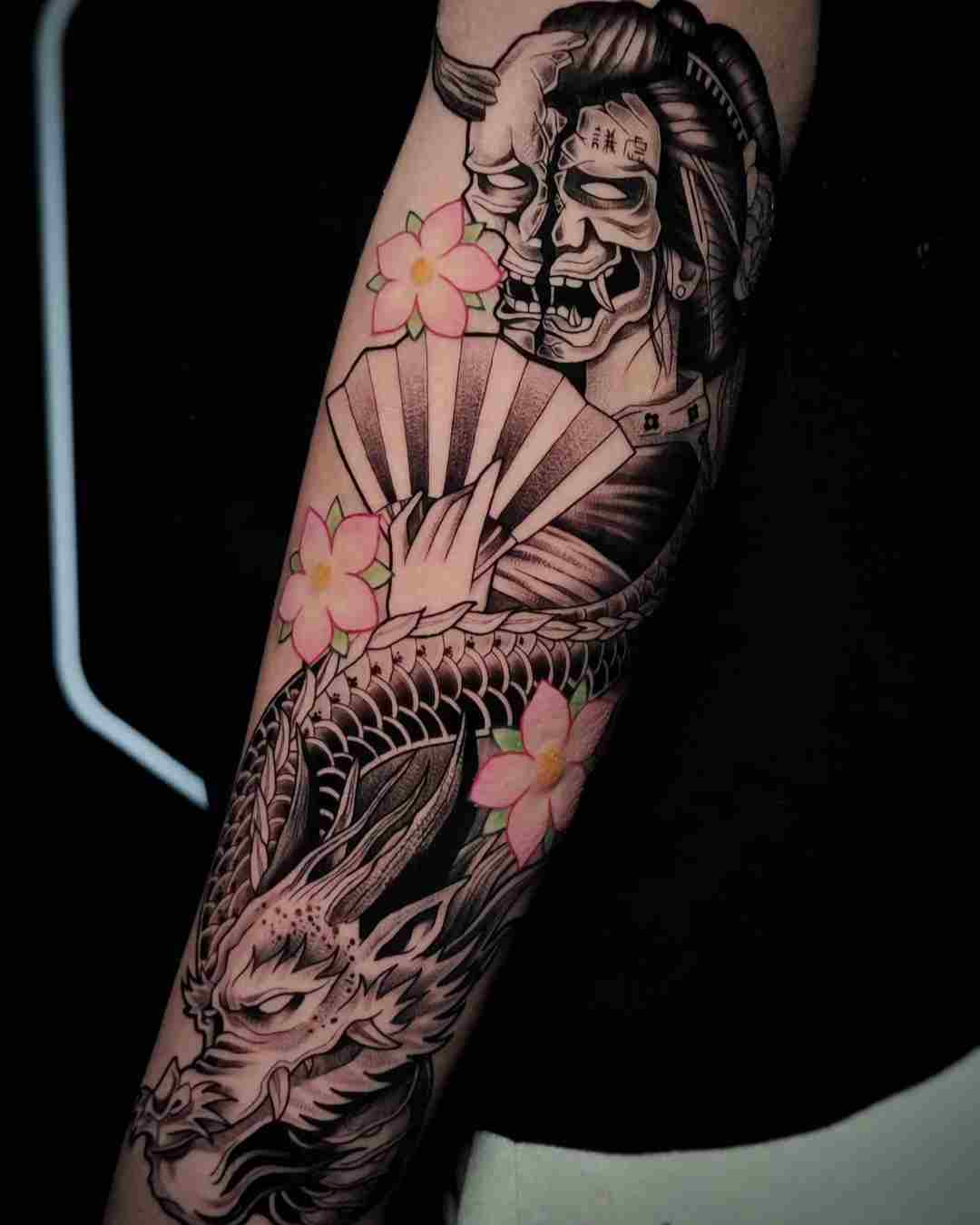
Originating from Chinese legend, koi fish tattoos symbolise perseverance, determination, and overcoming adversity. These tattoos frequently depict colourful fish swimming upstream, often accompanied by water and lotus flowers.
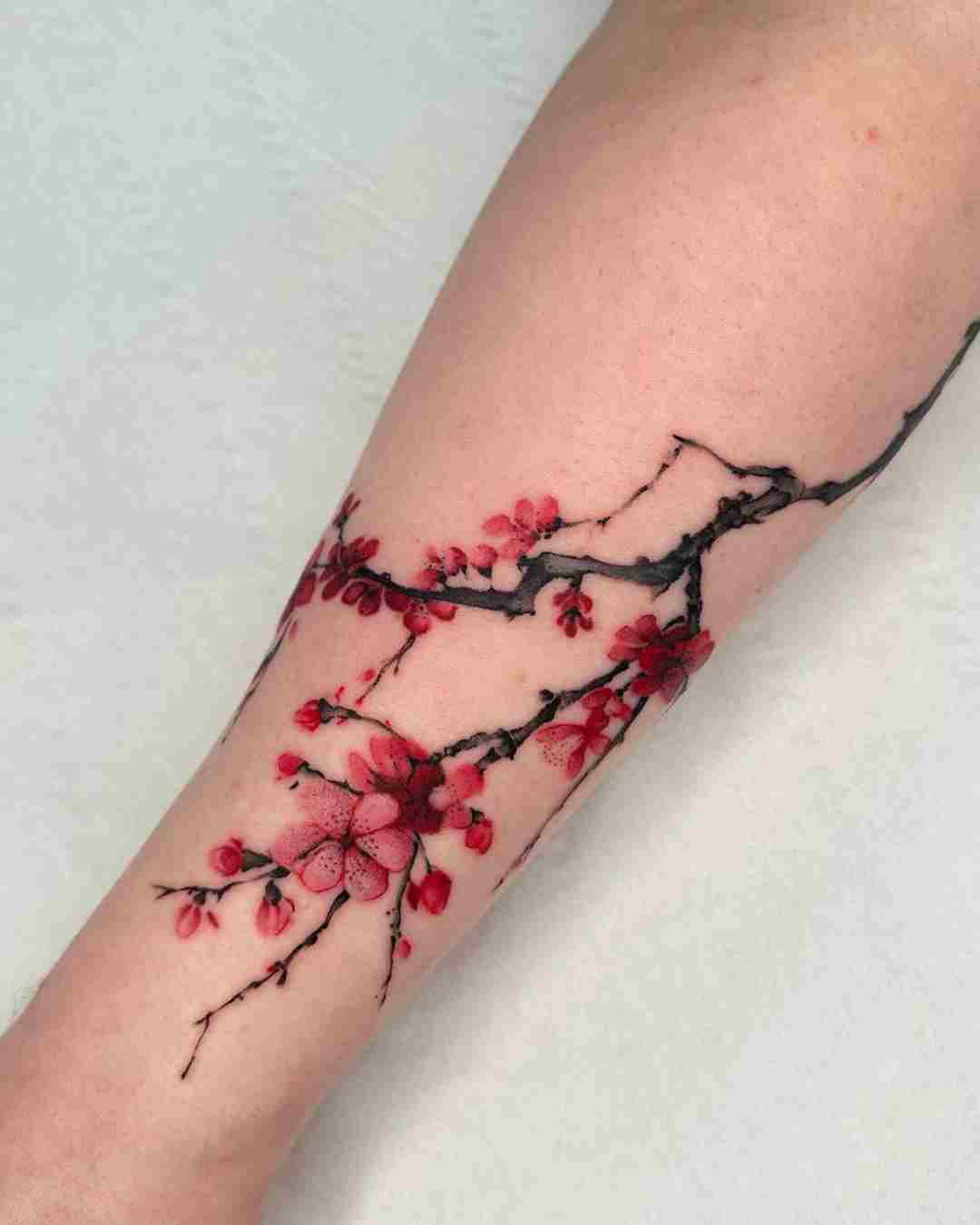
In Japanese culture, cherry blossoms (sakura) represent the transient beauty of life and the fleeting nature of existence. Cherry blossom tattoos evoke themes of renewal, impermanence, and appreciation for the present moment.
In Chinese mythology, the phoenix symbolises rebirth, renewal, and immortality. Phoenix tattoos often feature a majestic bird with vibrant plumage, rising from the ashes in a display of resilience and grace.
Samurai tattoos pay homage to the legendary warriors of feudal Japan, embodying qualities of honour, loyalty, and bravery. These tattoos may feature samurai warriors in traditional armour, wielding swords, or engaged in battle scenes.
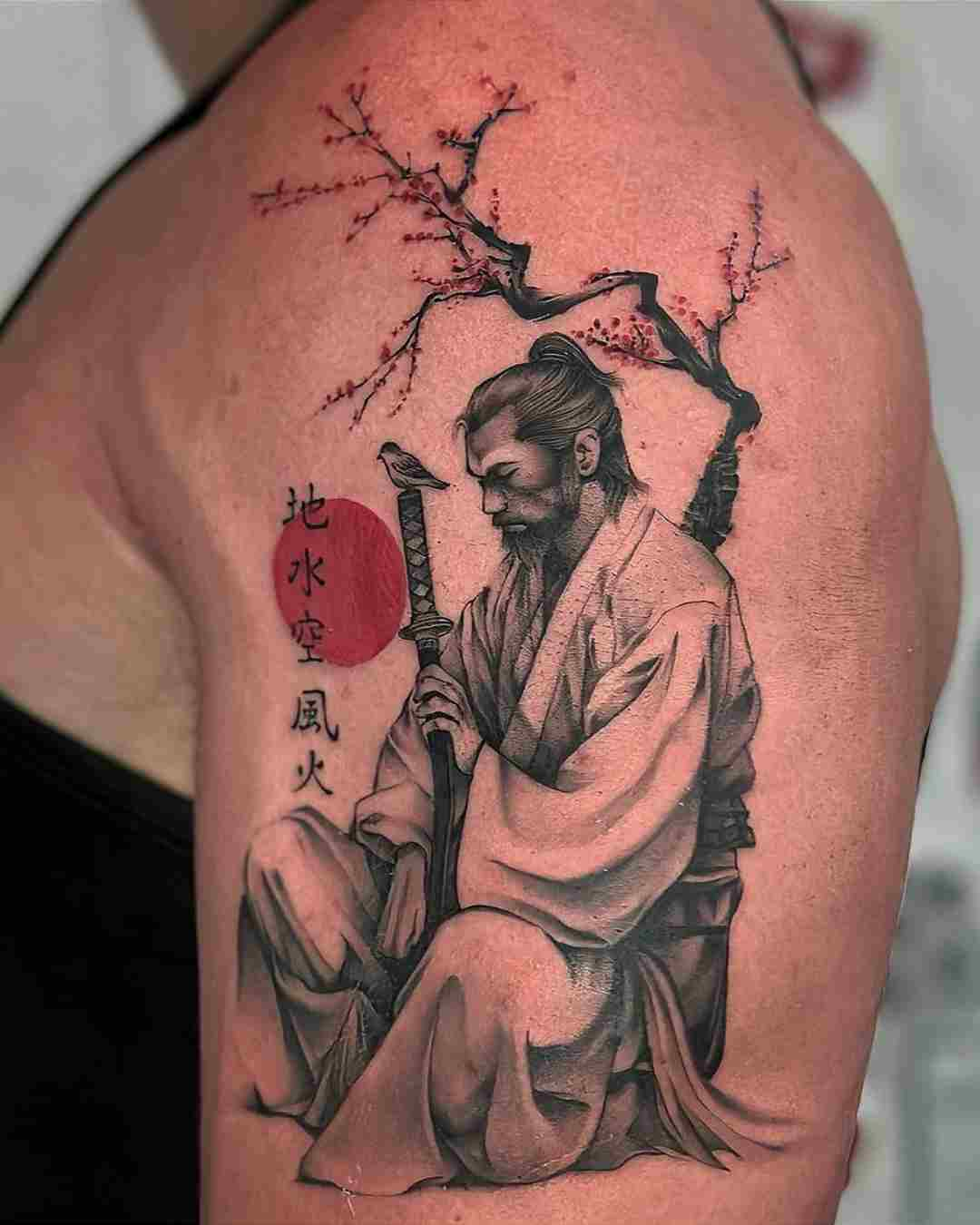
Geisha tattoos celebrate the iconic figures of Japanese culture known for their beauty, grace, and artistic talents. These tattoos often portray elegant women in elaborate kimonos, accompanied by traditional accessories like fans and hair ornaments.
In both Japanese and Chinese traditions, the lotus flower symbolises purity, enlightenment, and spiritual awakening. Lotus flower tattoos typically showcase the flower in various stages of blooming, conveying themes of growth, transformation, and inner peace.
Tigers hold significant symbolism in East Asian cultures, representing courage, strength, and protection. Tiger tattoos often feature ferocious-looking tigers with bold stripes and fierce expressions, conveying a sense of power and vitality.
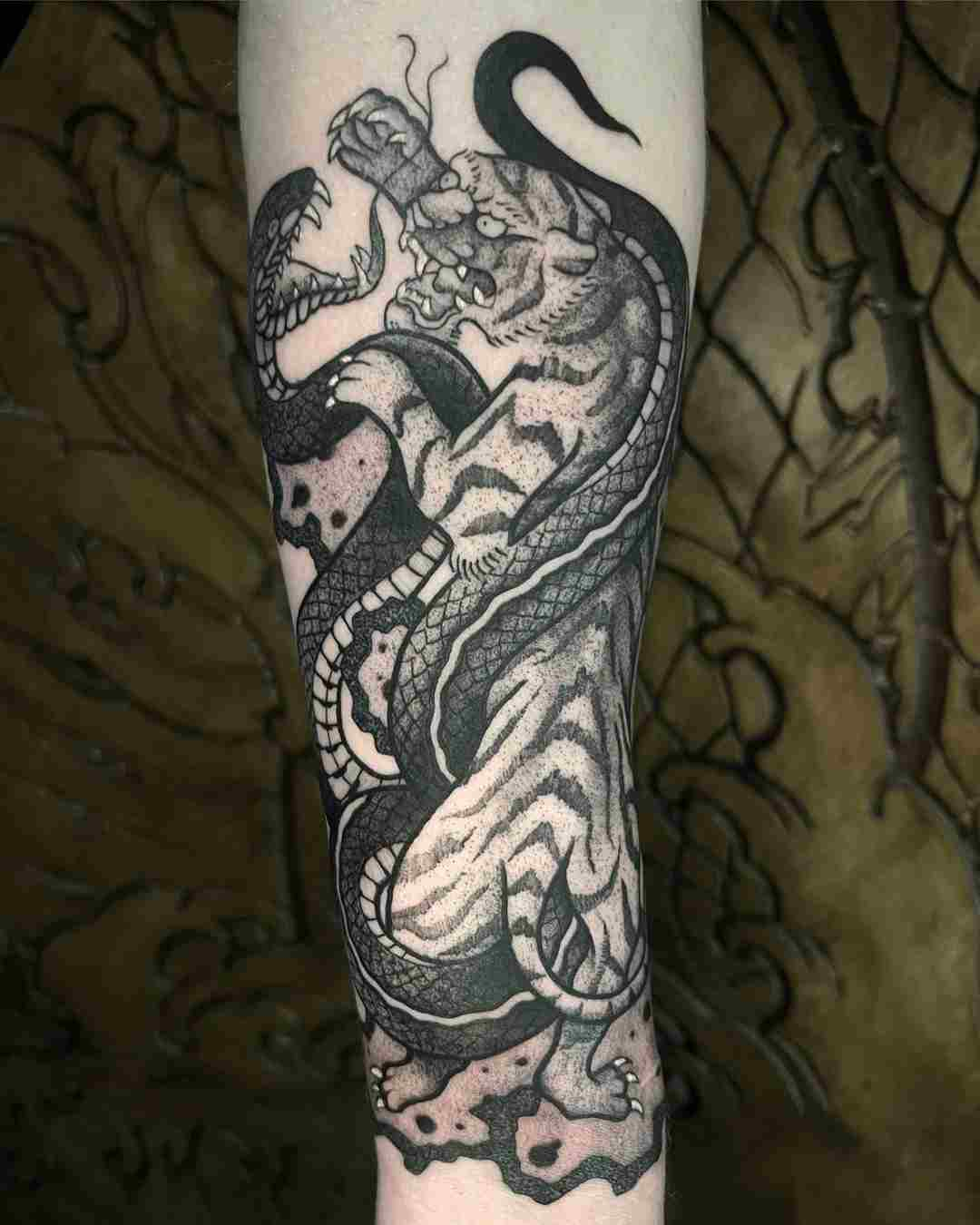
Also known as guardian lions or imperial lions, foo dogs are mythical creatures believed to ward off evil spirits and protect against harm. Foo dog tattoos often depict stylised lion-like creatures with elaborate mane and fierce demeanour.
Chinese calligraphy tattoos feature intricate characters and symbols drawn from traditional Chinese writing. These tattoos may represent meaningful words, phrases, or concepts, such as love, strength, wisdom, or inner harmony.
To conclude, oriental tattoos offer a captivating journey into the depths of East Asian culture, weaving together history, mythology, and artistic expression in a tapestry of intricate designs and profound symbolism. From the storied traditions of Japanese Irezumi to the mystical allure of Chinese iconography, these tattoos continue to captivate and inspire, serving as enduring testaments to the enduring legacy of East Asian heritage. So, whether you seek to adorn your skin with the majestic dragon or the delicate cherry blossom, oriental tattoos invite you to embrace the beauty and wisdom of ancient traditions, one tattooed masterpiece at a time.
At No Regrets Studios, we have an array of artists who can create beautiful oriental-inspired tattoo designs, to discuss your ideas with them, get in touch today.
